
Nobody starts a business because they love reconciling bank accounts. But the businesses that sail through loan applications, due diligence and IRS notices all have one thing in common: their books are always ready before anyone asks.
1. Reconcile every account, every month
A reconciliation is a simple promise: every dollar in your accounting system matches every dollar at the bank. Do it monthly and errors surface while they’re still small and fixable. Skip it for a quarter and you’re archaeologist, not bookkeeper.
2. Keep business and personal completely separate
One business checking account, one business credit card, zero exceptions. Commingled funds are the single most common reason small business books fall apart — and the first thing an examiner looks for.
Clean books are not a year-end project. They are a monthly habit that pays for itself the first time someone asks to see them.
3. Capture receipts when they happen
Digital receipt capture takes seconds in the moment and hours in retrospect. A photo at the register beats a shoebox in April, every time.
4. Review your financial statements monthly
Your profit and loss statement is only useful if someone reads it. A 20-minute monthly review will surface trends — creeping expenses, slowing receivables, margin drift — while you can still act on them.
5. Close the books on a schedule
Pick a day each month when the prior month is locked: reconciled, reviewed and done. A consistent close is what separates books you trust from books you hope are right.
The payoff
- Lender-ready: financing moves at the speed of your financial statements.
- Decision-ready: real-time numbers mean pricing, hiring and spending decisions based on facts.
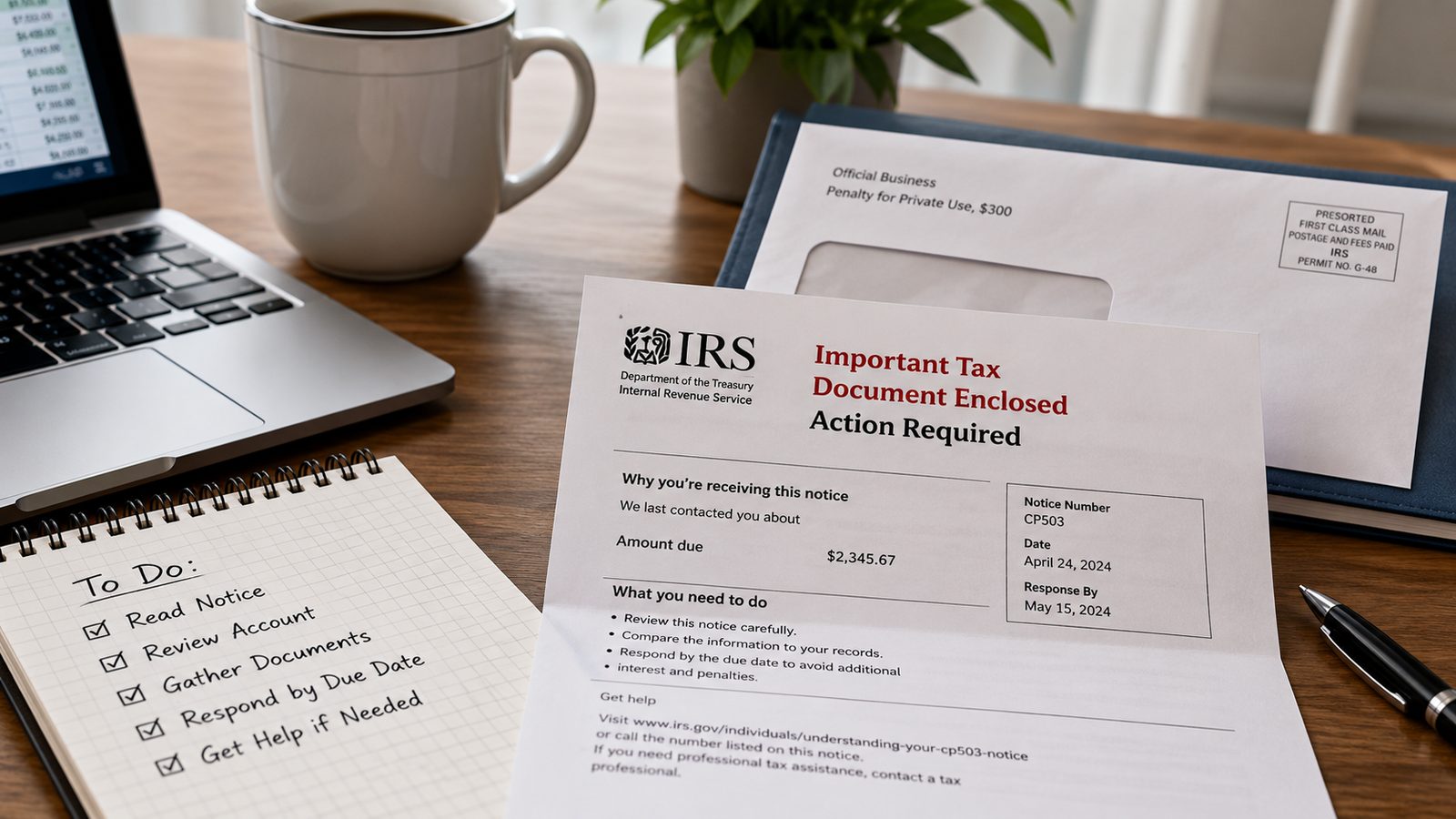
- Audit-ready: if the IRS ever asks, the answer is a report away — not a scramble.
If monthly bookkeeping is the part of your business you keep putting off, that’s exactly the problem we exist to solve.